course_notes
There are many networking functions that are part of the infrastructure. And there is a lot that happens behind the scenes.
for example:
- Accessing important data from anywhere around the world
- Remote access a system for technical support and stuff like that
- Having traffic management to prioritize some applications more that other
- Making sure that all of our systems are up and available using Protocols
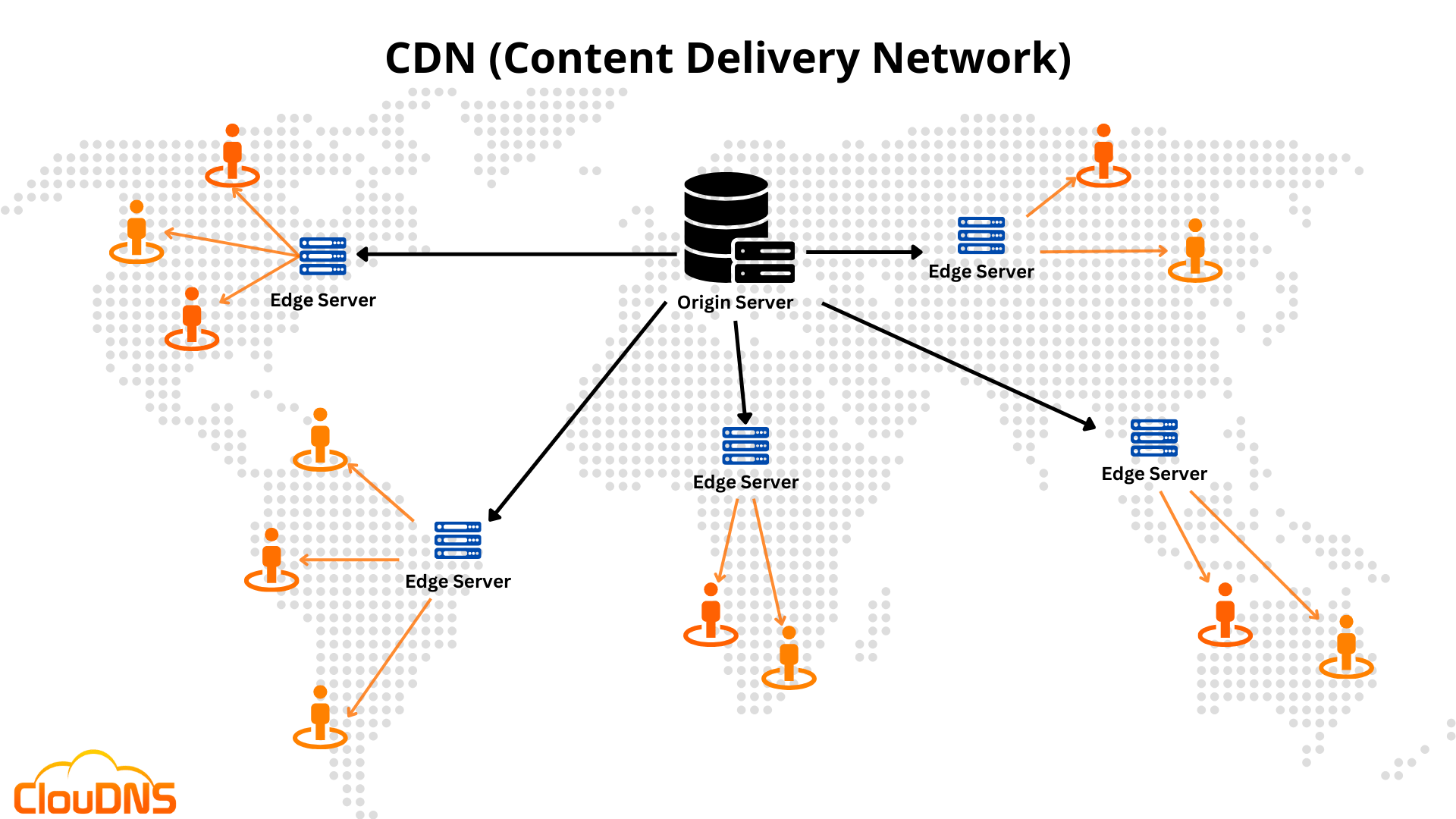
Content Delivery Network (CDN):
- Used to access data efficiently from one central point to a user
- The edge servers are geographically distributed
- The data in the origin server are duplicated and stored in the edge servers
- Users get the data from a local server instead of the origin server
Virtual Private Network (VPN)
- allows us to connect to a remote network while sending all of the data encrypted across the network
- VPNs uses a device called Concentrator / Head-end which is the central connection point for all users that are using the same VPN. This device is made for High-speed encryption/decryption.
- The VPN’s Concentrator function is often integrated into a next gen firewall.
- Concentrators can work via software (small home networks) or via hardware (large enterprise network)
Quality of Service (QoS):
- Used to prioritize some applications over another.
- Also referred to traffic shaping or packet shaping.
- This work by controlling the bandwidth usage or data rates of the applications.
- To control the QoS we may need to configure the firewall, switches, routers, or the QoS device
Time To Live (TTL):
- Some tasks are repeating over and over. To stop this from happening and stealing all of our resources, we set a time to live for certain applications.
- It’s some type of timer. Its may count a certain amount of time elapsed or number of hops.
- Used for clearing caches or drop a packet stuck in a loop
To check the number of hops that happened to a single packet, we can see the IP(Internet Protocol). Every router the packet passes by, the TTL decreases by 1.
In a DNS(Domain name system), the TTL function using seconds and not by hops.(the TTL duration is set in the configuration of the domain on the DNS server).